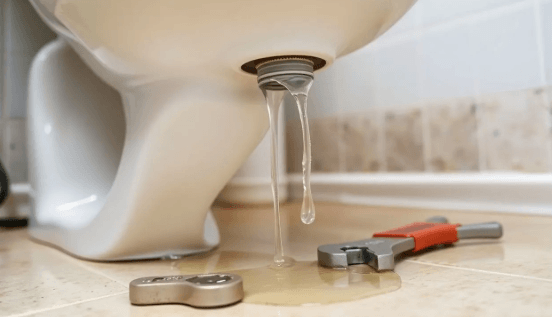
Identifying bathroom leaks requires a methodical approach. Common culprits are fixtures, seals, and penetrations, with wear in supply lines, traps, and connections. Decide if DIY is appropriate by evaluating leak severity, access, and materials, seeking professional input when uncertain. A structured sequence follows: locate, isolate, prepare, repair, then test and inspect. The most frequent issues—drain clogs, misaligned toilets, and loose fittings—are predictable, yet each case demands careful verification before proceeding, and that prudence invites further examination.
Identify the Source: Common Bathroom Leak Culprits
Identifying the source of bathroom leaks begins with a systematic assessment of common culprits. The investigation focuses on fixtures, seals, and penetrations, listing probable leak sources in order of likelihood. Structural connections, supply lines, and trap assemblies are evaluated for wear, corrosion, and misalignment. Documentation notes suspected locations, enabling a targeted, non-ideation approach to identifying culprits.
Assess DIY Fixes vs. When to Call a Pro
Determining whether a DIY repair is appropriate hinges on the leak’s severity, location, and the practitioner’s skill level. Evaluations emphasize measurable risk, material compatibility, and access constraints. When uncertainties persist, identifying plumbers or sealant alternatives via professional guidance ensures reliability. Cost-benefit analysis weighs time, warranty, and potential damage, guiding a prudent decision without compromising system integrity or safety.
Step-by-Step Fixes for the Most Common Leaks
Step-by-step procedures address the most common bathroom leaks by presenting a repeatable sequence: locate the source, isolate the affected area, prepare materials, apply a verified repair, and verify results. The approach targets drain clogs and toilet noises through controlled tests, component inspections, and documented procedures. This methodical protocol emphasizes reproducibility, measurement, and verification while preserving user autonomy and clear, technical guidance.
Prevent Future Leaks: Maintenance and Prevention Tips
Preventing future leaks requires a proactive, systematic approach that translates maintenance routines into durable performance.
Regular inspections identify wear in seals, joints, and fixtures; scheduled component replacement limits escalation.
Drain maintenance ensures unobstructed flow and minimizes backpressure.
Grout sealing preserves wall and floor interfaces against moisture ingress.
Document procedures, set intervals, and monitor feedback to sustain reliably quiet operation.
See also: How to Recover Lost Crypto Assets
Conclusion
A precise approach to bathroom leaks combines source identification, measured decision making, and methodical repairs. By isolating the leak, evaluating fixture wear, and selecting verified repair methods, homeowners can restore integrity with minimal disruption. If uncertainty arises, consult a pro to avoid escalating damage. Maintain records and schedule routine inspections to catch wear before failure. As the adage goes: a stitch in time saves nine, and in plumbing, a timely fix today preserves the bathroom tomorrow.